SP-DP pass Elcetoral Code
19/07/2012 00:00



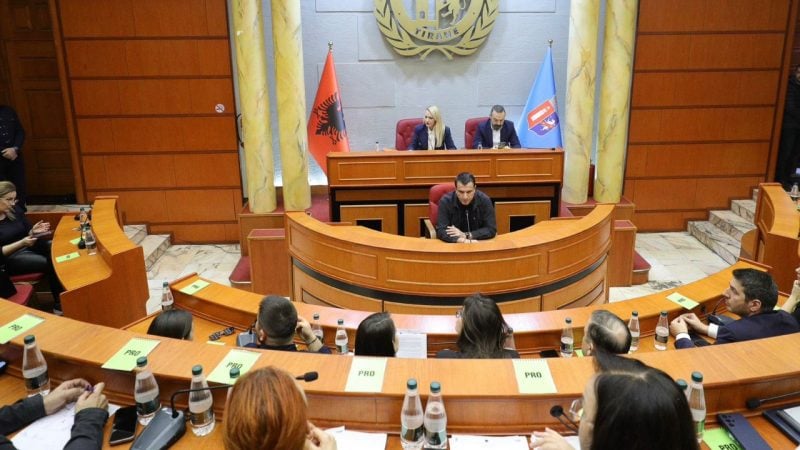
Socialists and Democrats joined their votes this Thursday for approving
the Electoral Reform. The parties passed all the Electoral Code amends
without the usual harsh debates.
Berisha described the new Electoral Code as a special voting. He congratulated the seven Electoral Reform Commission members for their work, underlining that the new Code fulfills all ODIHR recommendations.
The Prime Minister declared that the electoral code of 2009 was also good, and he defended the way how the miscast ballots were treated in the local elections of 2011. He also spoke about the concern of the allies.
“This law is another testimony that no one is losing here, but everyone is winning. This is an example that should inspire the political forces of the country, which should never be led by the ‘everything or nothing’ principle. As for the allies, I guarantee them that if I were them, I would hold harsher speeches against Berisha and Rama, but whoever wants to read novels about love and betrayal, should read the histories of alliance of Edi Rama, and then they can read about the loyalty of Sali Berisha with his allies. I guarantee that although I was unable to realize their honest intentions, I offer my loyalty in an alliance that will win the elections of 2013”, Berisha declared.
The Republican Party leader, Fatmir Mediu, one of the allies of Mr. Berisha, explained his vote against these code amends.
“This is the 16th electoral reform in Albania, the 16th in 22 years. It is the 16th agreement between the DP and the SP, with the clear intention to keep their monopoly in the Albanian politics. This agreement is not an electoral reform and it doesn’t give a chance to the Albanian voters to judge and decide for their future. Does this reform guarantee the vote equality, as the Constitution states? I am convinced that there is no equality. The votes of the Kukes or Konispol citizens are not equal to the votes of the Tirana or Fier citizens”, Mediu declared.
Vangjel Dule, a SP ally, unfolded his dissatisfactions, although he voted in favor of the law.
“Who can guarantee that Albania will be among the 40 countries with full electoral democracy after these amends? Can anyone guarantee the Albanian citizens that their vote for changing the government is safe? Who will celebrate after the next Parliamentary elections?”, Dule asked.
Socialist MP, Damian Gjiknuri, also co-chairman of the Parliamentary Reform Commission, declared that the amends create hope, but no triumph.
“Did the opposition achieve everything they wanted? No, but unreal perfection cannot kill reality. By simplifying the voting and ballot counting procedures, by increasing transparency and by reinforcing punishment, we brought to life a new election administration organization, by cutting the current Central Election Commission mandate, as a clear example that what happened will not be tolerated”, Gjiknuri declared.
The electoral Code passed with 128 votes in favor, two against (those of Mediu and Oketa), and one abstaining, that from the Health Minister, Vangjel Tavo. For the SMI, the abstaining is related with the fact that the new code has not taken in consideration the national correction of the proportional.
Nishani greets consensus
The newly elected President of Albania, Bujar Nishani, greeted the passing of the Electoral Code.
He declared that this act of responsibility and maturity is a guarantee for the service of one of the basic functional democratic processes, which are the free and honest elections.
The newly elected President expressed his full trust for continuing with the consolidation of this cooperation spirit.
Top Channel