Judges, we need immunity
12/07/2012 00:00



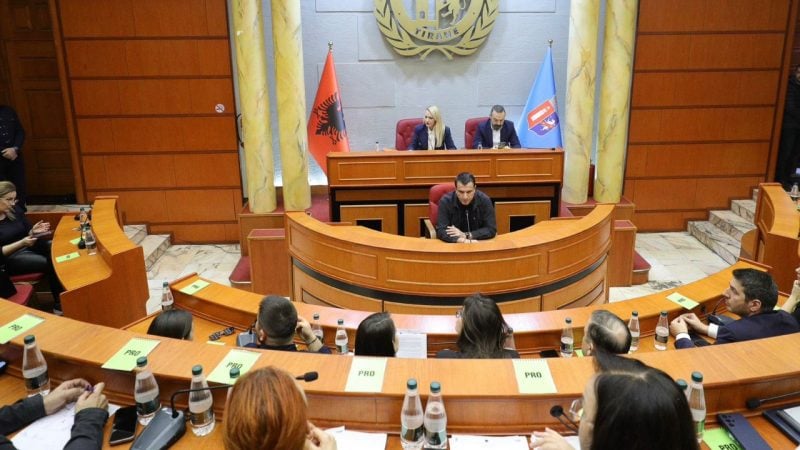
120 judges who are members of the Union of Judges, declared that they
are in favor of the immunity limitation for judges, but they oppose
categorically its full removal.
After ending a meeting for the immunity issue, the Chairman of the Union of Judges, Ervin Metalla, explained for Top Channel why they oppose the full removal of the immunity of judges and what the proposition for limiting the immunity is.
“Removing the immunity would expose the judicial system to risks that damage its independence. Other administrations would interfere. By limiting the immunity for penal acts that are related with the duty, we can create the necessary balance. Te limitation means that for some penal acts, such as corruption or power abuse, the judges can be tried without waiting the authorization of the High Council of Justice. This means that the authorities will allow investigations to take place, but not the actions that damage the citizen’s freedoms and the sanctity of personal homes”, Metalla declared.
Currently, judges gave a general personal immunity, which means that they cannot be prosecuted without an authorization by the High Council of Justice.
The immunity concept entered for the first time in 1992, during the changes of the respective dispositions and when article 10 foresaw that the First Degree and Court of Appeal judges have immunity and that they can be removed from duty only by the competent institution.
The recent amends for the immunity of judges were made in 2008, stating that the First Degree and Appeal Court judges can be prosecuted with an approval from the HCJ. This law now will have the disposition which says that judges can be arrested only if they are caught in the act of committing a crime or right after it is committed.
Top Channel