Danger from increased level of savings
28/09/2011 00:00



The Albanian economy has been facing an unusual situation for the last
two years, after citizens started spending less and savings more, and on the other hand, the banks are not being able to use this
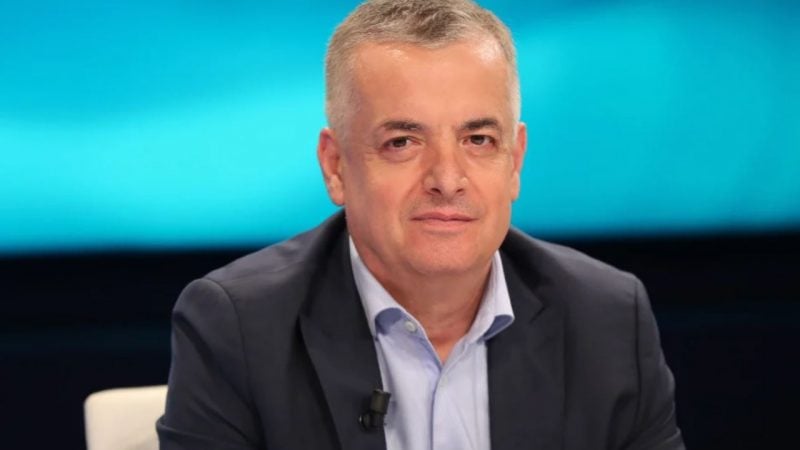
money in loans. Sherefedin Shehu explains the reasons of this
stalemate.
“We had a global crisis and a political stalemate, but on the same time, we have an unclear situation with the European currency. All of these together create a psychological effect. However, the saving tendency is one of the 10 points listed as a precondition for a country’s progress”, Shehu declared.
The savings increase shows a development tendency until a given level, and then it turns into a negative consequence. The Albanian economy is going towards the latter. The yearly increase of bank deposits was 109 billion ALL this July, but only 30% of them went for business and individuals. The other part remained in banks.
“The resting capitals have a negative effect in the economy, because they slow down the economic growth. If this money would be invested, they would be used for producing other money”, Shehu declared.
The situation is not without a solution. But for the former Deputy Minister of Finances, this is outside the government’s competences and it creates a situation that requires the banks and businesses to change behavior.
“The Albanian banks held a very small burden of the crisis, and they passed the greatest part to the public. I think that they should be more flexible and the Bank of Albania should interfere. The government has little to do with is”, Shehu declared.
A few days earlier, the government decreased their official economic growth expectation to 5.5%, and this was the second time. The first version predicted an economic growth of 4%, approaching to the conservatory evaluations of the IMF.
Top Channel